Official ticket, booked in your name
Pick your Machu Picchu date, any day through October 2027
Choose the route, the day and the entry hour. We buy the Ministry ticket in your name and email it to you. From $62 per adult.
What the Inca Jungle Trek is
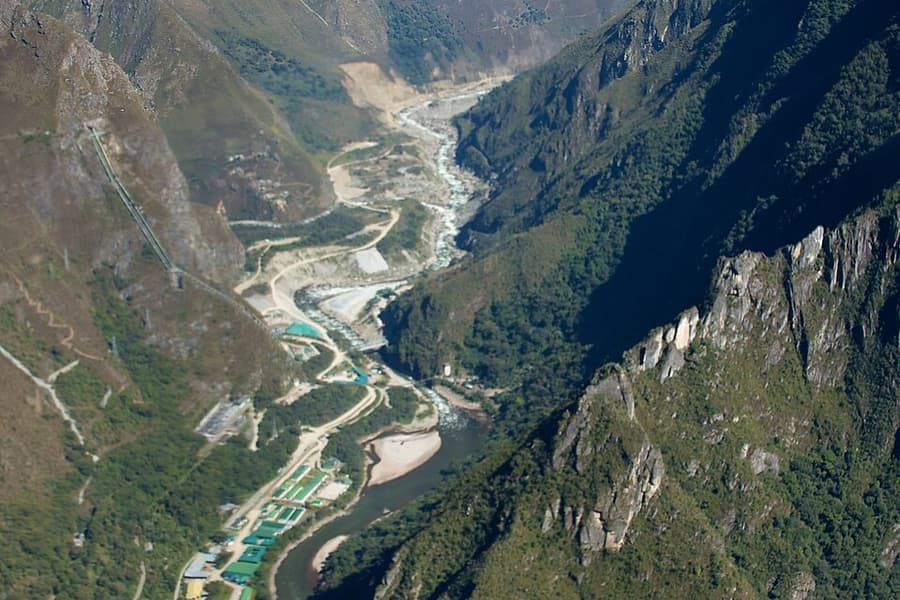
It follows the same road as the Hidroeléctrica route, the long way round to Machu Picchu, and turns it into an adventure tour. A van takes you from Cusco over the Abra Málaga pass; you ride a mountain bike down the eastern side of the Andes towards Santa María, walk to Santa Teresa through coffee and fruit farms, soak in the Cocalmayo hot springs, and reach Aguas Calientes on foot along the railway. Rafting on the Urubamba and a zip-line near Santa Teresa are the usual add-ons. Agencies in Cusco sell it in 3-day and 4-day versions; the 3-day one packs the biking, the walk and the tracks into two days.
The itinerary, day by day (4-day version)
- Day 1: Abra Málaga by bike, rafting in the afternoon: Early pickup in Cusco and about three hours by road to the pass, around 4,300 m, cold and often in cloud. Then the descent by mountain bike on the paved road, from the high puna into warm cloud forest, for a few hours. Night in Santa María or Santa Teresa. Rafting, where included, is in the afternoon of day 1 or day 2.
- Day 2: on foot to Santa Teresa and the hot springs: The longest walking day: trails above the Urubamba, coca, coffee and fruit farms, often a short stretch of old Inca path, and the end of the day in the Cocalmayo hot springs. Night in Santa Teresa.
- Day 3: zip-line, Hidroeléctrica and the tracks: The zip-line in the morning if you booked it, then to Hidroeléctrica and 10 km on foot along the railway to Aguas Calientes, flat, 2 h 30 to 3 h. Night in Aguas Calientes, at 2,040 m. Buy the bus for the morning before dinner: $24 round trip at the counter, or $34 booked with us and already on your phone.
- Day 4: Machu Picchu, then back to Cusco: The bus up, or the stone staircase on foot (1.5 to 2 hours), for your entry at the hour on your ticket. Then back to Cusco the way your package says: the train to Ollantaytambo with a transfer, or the walk back to Hidroeléctrica and the van, which leaves in the early afternoon and arrives at night.
How hard it is, and the altitude
On the legs it is the gentlest of the trekking routes. The high point, Abra Málaga at about 4,300 m, is where you start the bike ride, not a pass you climb on foot, and every night is lower than Cusco (3,400 m): Santa Teresa and Aguas Calientes are warm valley towns, and Machu Picchu itself is at 2,430 m. The hard parts are elsewhere: the long walking day 2 in heat and humidity, the 10 km on the tracks, and a lot of hours in a van on mountain roads. Spend two days in Cusco before you go; the pass comes on the first morning. Altitude sickness, what works.
When to go
In the dry season, May to September, the road over the pass is clearest and the river is right for rafting; June and July are the driest months and also the busiest at Machu Picchu. From January to March, landslides close the dirt road between Santa María and Hidroeléctrica and people get stranded in Santa Teresa with a ticket for the next morning; take the train in those months. Month by month in Machu Picchu weather.
What the package includes, and what it usually does not
- Usually included: Transport from Cusco to the pass, the bike and helmet, a trekking guide, basic hostels or lodges, most meals, and the guided visit at Machu Picchu.
- Often extra: Rafting, zip-line, the hot springs entrance, the bus up and down at Machu Picchu, and the return: some packages come back by van from Hidroeléctrica, others by train. Compare the inclusions, not the headline price.
- Usually not included: the Machu Picchu entry: The citadel is sold by the Ministry by date, circuit and entry hour, separately from any trek. Unless the operator confirms in writing that it has bought your ticket, with the circuit and the hour, buy it yourself first and give the agency your date. Standard circuits are $62 per adult, $65.10 with the card fee; every price in the ticket prices guide.
Jungle Trek vs Salkantay vs Inca Trail
| Inca Jungle Trek | Salkantay | Inca Trail | |
|---|---|---|---|
| Days | 3 or 4 | 4 or 5 | 4 (2-day short version) |
| High point | About 4,300 m, by van; you ride down | 4,650 m, on foot | 4,215 m, on foot |
| Walking | Two days, the second the longest | About 70 km | About 43 km |
| Permit | None | None | Yes, 500 a day including staff; closed in February |
| Arrival | Along the tracks from Hidroeléctrica | Along the tracks from Hidroeléctrica | Through the Sun Gate |
| Machu Picchu entry | Bought separately, any circuit | Bought separately, any circuit | Circuit 3B, reserved by the operator |
Salkantay is the mountain route, with a glacier and a real pass; the Inca Trail is the historic one, with permits gone months ahead. The full comparison of those two is in Salkantay vs the Inca Trail.
Who it suits
- It suits: Active travellers who want variety more than a long hike: biking, a river, hot springs and a few days in the cloud forest. Anyone who could not get an Inca Trail permit, or who does not want a 4,650 m pass on foot.
- It does not suit: Anyone uneasy on a bike in traffic, a tight schedule in the rainy months, or travellers who want comfort: the hostels are basic and the days in the van are long. For the same Machu Picchu with less effort, the 2-Day Tour goes by train with the entry, the buses and a guide included; the Hidroeléctrica route is the same road without the activities.
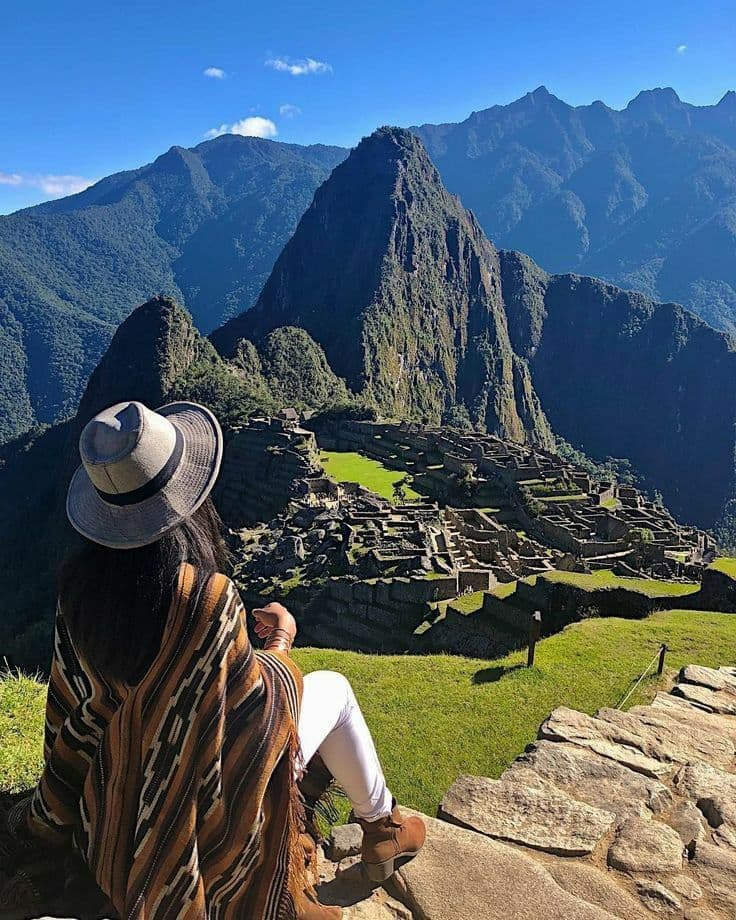
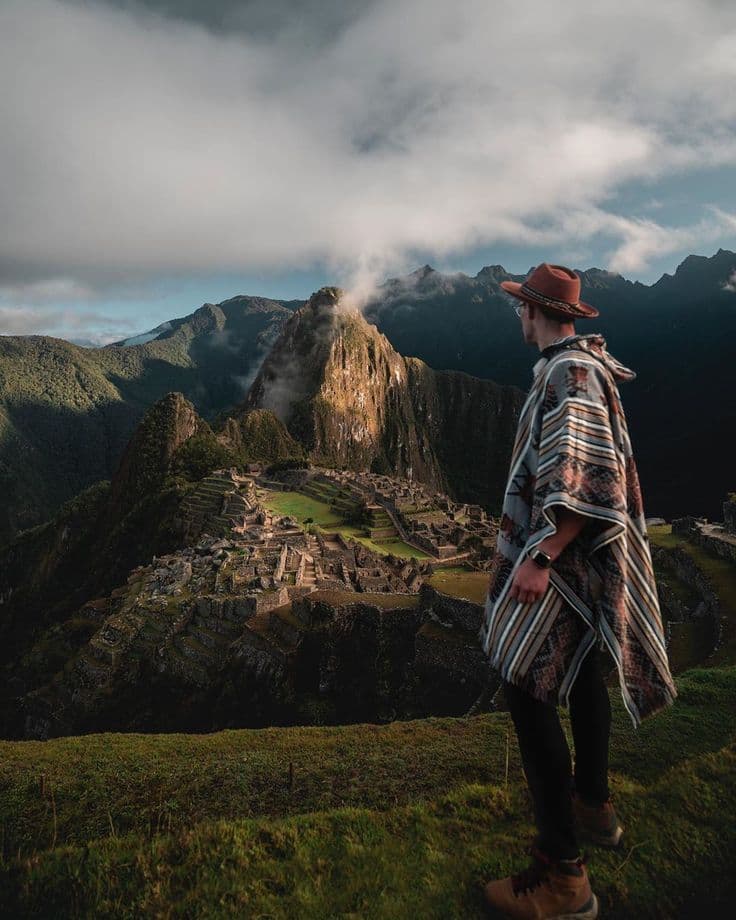
Circuit 2A Classic
The iconic postcard photo of Machu Picchu
Does the Inca Jungle Trek include the Machu Picchu ticket?
Usually not. The entry is sold by date, circuit and hour, separately from the trek. Unless the operator confirms in writing that it bought yours, buy it yourself first: $65.10 per adult with the card fee on standard circuits.
How many days is the Inca Jungle Trek?
Three or four. The 4-day version gives a full day on foot to Santa Teresa and [a night in Aguas Calientes](/blog/where-to-stay-aguas-calientes) before Machu Picchu; the 3-day version compresses the biking, the walk and the tracks into two days.
Is the Inca Jungle Trek hard?
It is the easiest of the multi-day routes on the legs: you ride down from the 4,300 m pass instead of climbing it, and you sleep low. The tiring parts are the long walking day, the 10 km on the tracks and the heat.
Is the Inca Jungle Trek safe?
In the dry season, with a good operator, it is a common route. The real risks are the bike descent on a road with traffic and the rafting when the river is high; ask for a helmet and a support vehicle, and avoid January to March.
What if Machu Picchu is sold out on my date?
Try another circuit or hour on the same date first. If your date is gone, the 2-Day Tour has its own ticket allocation and still gets you in, from $380 per person.
Fix your Machu Picchu morning first
Live availability for all 10 circuits and every entry hour. Pay by card, get the ticket by email, then book the trek that ends the day before.
Find another guide
Read next
All 95 guides →